
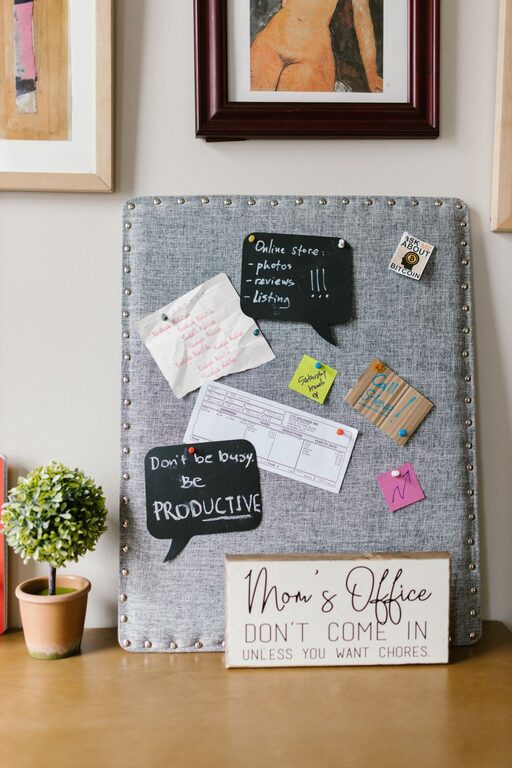
Creating a family command center is a fantastic way to bring order and clarity to busy households. Whether you have young kids, teenagers, or a large family, a command center can help everyone stay informed, coordinated, and on the same page. In this post, we’ll guide you through the steps to set up an effective family command center that suits your home and lifestyle.
What Is a Family Command Center?
A family command center is a dedicated space in your home where you can organize schedules, chores, important documents, and reminders all in one place. Think of it as the communication hub for your household. This space helps reduce confusion, missed appointments, and lost papers by creating a visible and accessible spot for family management.
Benefits of a Family Command Center
– Keeps everyone informed about daily and weekly schedules
– Centralizes important information like school calendars, sports, and appointments
– Reduces clutter by providing a designated spot for notes, mail, and keys
– Encourages family communication and teamwork
– Helps children learn responsibility with visible chore charts and reminders
Choosing the Right Location
Start by identifying a spot in your home that’s visible and frequently visited. Popular areas include:
– Kitchen wall or pantry door
– Entryway or mudroom
– Near a family computer or desk area
The location should be convenient for all family members and allow you to hang or mount organizational tools without obstruction.
Essential Components of a Family Command Center
1. Calendar
A large, clear calendar is the foundation. You can choose from:
– Wall-mounted dry erase boards
– Magnetic calendars on the fridge
– Printable paper calendars in a frame
Make sure it’s big enough to write appointments, deadlines, and family events. Use color-coded markers or stickers for each family member to stay organized.
2. Message Center
Add a spot for notes, reminders, and important messages. This can be:
– A corkboard for pinning papers
– A magnetic whiteboard for quick notes
– A combination mail organizer and message board
Use this space to post grocery lists, to-do items, or inspirational quotes.
3. Mail and Paper Organizer
Keep incoming and outgoing mail neat with trays or hanging files. Organize papers into categories such as:
– Bills to pay
– School forms
– Coupons or receipts
This helps prevent clutter and ensures nothing gets lost.
4. Chore Chart
A visual chore chart encourages accountability and teamwork. You can use:
– Dry erase boards with magnetic chore labels
– Printable chore charts in pockets or frames
– Clipboards with checklists
Make chores age-appropriate and rotate assignments to keep things fair.
5. Key Hooks and Charging Station
Add hooks for keys and a small shelf or drawer for phones and other devices. If possible, create a charging station to keep electronics organized and powered up.
Supplies You Might Need
– Whiteboard or dry erase calendar
– Corkboard or magnetic board
– Wall hooks or command strips
– File organizers or trays
– Markers, pens, sticky notes
– Labels or printable templates
Many of these items can be found at office supply stores or online retailers.
Step-by-Step Setup Guide
- **Clear and prepare the space.** Remove any clutter where you want to set up your command center.
- **Install boards and organizers.** Mount your calendar, message board, and paper organizers at eye level.
- **Label sections clearly.** Use labels or signs to designate different areas for easy recognition.
- **Assign family roles.** Decide who updates the calendar, rotates chores, and manages mail.
- **Add personal touches.** Incorporate family photos, a small chalkboard for quotes, or a motivational note to make the space welcoming.
- **Review regularly.** Set a weekly family meeting time to update schedules and plans.
Tips for Success
– Keep the system simple and flexible to adapt to your family’s routine.
– Use magnets or Velcro to make it easy to move items around.
– Involve kids in maintaining the command center—it teaches responsibility.
– Use digital reminders or apps in conjunction with your physical command center for added support.
Conclusion
Setting up a family command center doesn’t have to be complicated or expensive. With thoughtful planning and a little effort, you can create a hub that keeps your household running smoothly and reduces daily stress. Start small, stay consistent, and watch how this simple addition transforms your family’s organization.
—
By establishing a family command center, you’re creating a space that promotes communication, responsibility, and harmony at home. Give it a try today and enjoy a more organized family life!