
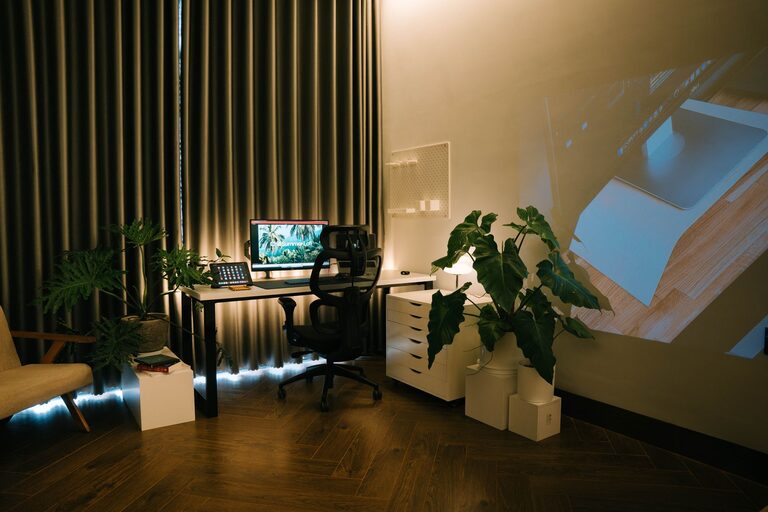
Creating a relaxing home workspace is essential for maintaining focus and reducing stress while working from home. Your workspace should be a place where you feel comfortable and motivated, helping you perform your best throughout the day. Whether you have a dedicated room or a small corner, there are plenty of ways to transform your area into a calming and efficient environment.
In this post, we’ll explore practical tips to design a workspace that promotes relaxation and productivity.
Choose the Right Location
Picking the right spot for your home workspace is the first step. Ideally, select a quiet area with enough natural light. Avoid high traffic zones where distractions are common.
Consider these factors:
– Natural lighting: Place your desk near windows to benefit from daylight.
– Noise level: Choose a spot away from loud appliances or busy family areas.
– Privacy: If possible, use a separate room or create a partition for visual privacy.
Invest in Comfortable Furniture
Comfort plays a big role in how relaxed and productive you feel. Choose furniture that supports good posture and minimizes discomfort.
Key furniture pieces include:
– Ergonomic chair: A chair with adjustable height and lumbar support is ideal.
– Spacious desk: Ensure it has enough room for your computer, notes, and accessories.
– Footrest (optional): Can help improve circulation if your feet don’t touch the floor comfortably.
Keep Your Workspace Organized
An organized space reduces stress and helps you focus better. Clutter can be distracting and overwhelming.
Tips to stay organized:
– Use drawer organizers and desk trays.
– Keep only essential items on your desk.
– Employ storage solutions like shelves or filing cabinets.
– Regularly declutter to maintain a tidy environment.
Personalize with Calming Elements
Adding personal touches that promote calmness can make your workspace more enjoyable and inviting.
Ideas include:
– Plants: Indoor plants improve air quality and add a touch of nature.
– Soft lighting: Use desk lamps or string lights that offer warm, gentle illumination.
– Soothing colors: Choose calming colors like soft blues, greens, or neutrals for your walls or décor.
– Artwork: Hang images or quotes that inspire and relax you.
Incorporate Natural Elements
Bringing nature indoors can create a tranquil atmosphere. Beyond plants, you can add other natural elements to your workspace.
Suggestions:
– Wooden furniture or accessories.
– Stones or crystals.
– Natural fiber rugs or cushions.
Manage Noise Levels
Noise can be a major distraction. Finding ways to minimize or manage sound helps you stay relaxed.
Strategies:
– Use noise-cancelling headphones.
– Play soft background music or white noise.
– Add rugs, curtains, or cushions to absorb sound.
– Close doors or windows to block outdoor noise.
Optimize Lighting for Comfort and Productivity
Good lighting reduces eye strain and impacts energy levels.
Lighting tips:
– Combine natural light with adjustable artificial lighting.
– Avoid harsh overhead lights; opt for diffused or indirect lighting.
– Position your screen to avoid glare from windows or lamps.
Take Breaks and Move Regularly
Even the most relaxing workspace won’t help if you don’t take care of your body.
Healthy habits include:
– Stand up and stretch every hour.
– Practice deep breathing or simple meditation.
– Use a timer or app to remind you to take breaks.
Use Technology Wisely
Technology is essential but can contribute to stress if not managed well.
Best practices:
– Keep cables organized and out of sight.
– Use apps that block distracting sites during work hours.
– Maintain a clean, updated device to avoid disruptions.
Final Thoughts
A relaxing home workspace is a blend of thoughtful design, comfort, and personal touches. By focusing on these areas, you can create a space that not only looks good but also supports your well-being and productivity. Start small, and gradually make changes to build your ideal work environment. Your mind and body will thank you!