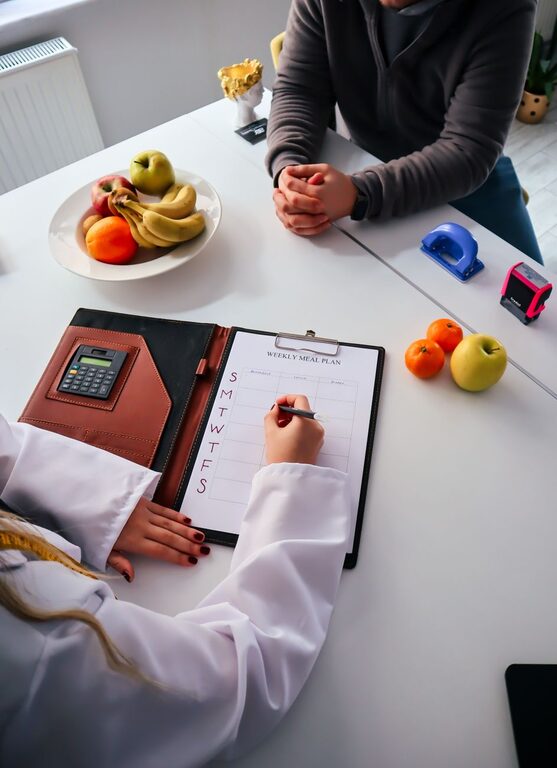
Planning meals from pantry staples is a great way to save time, reduce food waste, and keep your grocery budget in check. Whether you’re a busy professional, a student, or just looking to simplify your cooking routine, mastering the art of pantry meal planning can help you create tasty, nutritious dishes without the last-minute scramble to shop.
In this post, we’ll explore practical tips for organizing your pantry, identifying versatile ingredients, and putting together meals using what you already have on hand.
Why Plan Meals from Pantry Staples?
Before diving into the how-to, it’s helpful to understand the benefits of meal planning based on pantry staples:
– Convenience: You can whip up meals quickly without needing to run to the store.
– Cost savings: Using what you already have reduces the need for impulse buys.
– Less food waste: Planning encourages using ingredients before they spoil.
– Healthier choices: Home-cooked meals made from staples often beat takeout or processed foods.
Step 1: Organize and Take Inventory of Your Pantry
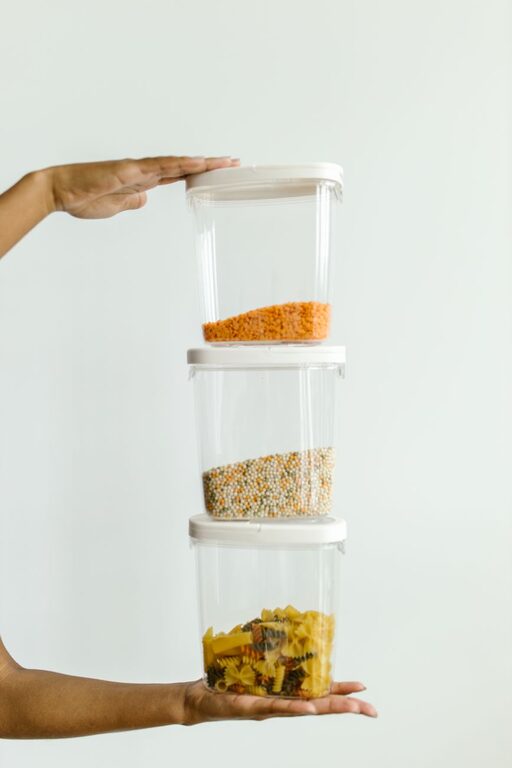
Start by tidying up your pantry. Put items in clear containers or labeled bins for easy visibility. Once organized, take inventory of what you have:
– Canned goods (beans, tomatoes, vegetables)
– Grains (rice, quinoa, pasta, oats)
– Baking supplies (flour, sugar, baking powder)
– Spices and herbs
– Oils and vinegars
– Nuts and seeds
– Dried fruits
– Broths and sauces
Write down or use an app to keep track. Knowing your staples helps you plan meals around them.
Step 2: Identify Versatile Pantry Staples
Not all pantry items are equal when it comes to flexibility. Some staples work well in a variety of recipes. Here are a few versatile pantry items worth having:
– Canned beans: black beans, chickpeas, kidney beans
– Canned tomatoes: diced, crushed, or sauce
– Rice and pasta: base for many dishes
– Broth or stock: soups, stews, and sauces
– Onions and garlic: flavor foundation
– Spices: chili powder, cumin, oregano, basil, paprika, pepper, salt
By focusing on these, you can mix and match to create different meals.
Step 3: Plan Your Meals Around These Staples
Think in terms of simple meals that combine your pantry staples with fresh or frozen produce when possible. Here are some ideas:
Breakfast
– Oatmeal topped with dried fruit and nuts
– Pancakes made with flour, baking powder, and canned pumpkin or applesauce
– Homemade granola using oats, nuts, and seeds
Lunch
– Chickpea salad with canned chickpeas, olive oil, lemon juice, and herbs
– Rice and beans bowl with salsa and shredded cheese
– Tomato soup with canned tomatoes and broth, served with toast
Dinner
– Pasta with canned tomato sauce, garlic, and a sprinkle of herbs
– Stir-fry using frozen vegetables and rice, flavored with soy sauce and spices
– Bean chili made with canned beans, tomatoes, and chili powder
Step 4: Use Fresh and Frozen Ingredients to Complement Your Staples
While the focus is on pantry staples, adding fresh or frozen vegetables and proteins when available can elevate your meals. Frozen veggies are often inexpensive, last longer, and are easy to keep on hand. Fresh garlic, onions, or herbs can also add depth to your dishes.
Step 5: Keep Recipes Simple and Flexible
Don’t overcomplicate your cooking. Many pantry staple meals can be made with a handful of ingredients and minimal steps:
– Drain and rinse canned beans before using.
– Saute onions and garlic as a flavor base.
– Use spices to vary flavors from one meal to the next.
– Combine grains and beans for balanced protein and carbs.
Having a few “go-to” recipes can make meal prep quicker and less stressful.
Step 6: Batch Cook and Store for Easy Meals Later
Make a big pot of soup, chili, or stew using pantry staples. Freeze leftovers in portion-sized containers for quick meals later in the week. This is especially useful for busy days when cooking isn’t an option.
Tips to Maximize Your Pantry Meal Planning Success
– Rotate your stock: Use older items first to keep things fresh.
– Keep a running shopping list: Note what staples you use often and replenish before you run out.
– Experiment with spices: Changing spices can give the same ingredients a new twist.
– Try new recipes: Look for inspiration online or in cookbooks focused on pantry meals.
Final Thoughts
Meal planning with pantry staples is a practical skill that helps you stay prepared, save money, and enjoy homemade meals anytime. With a little organization and creativity, your pantry can be the starting point for delicious dishes to satisfy your hunger and your schedule.
Remember: simplicity is key. Start with what you have, and gradually build your pantry to suit your tastes and lifestyle. Happy cooking!